

Last Update: 15 October 2025
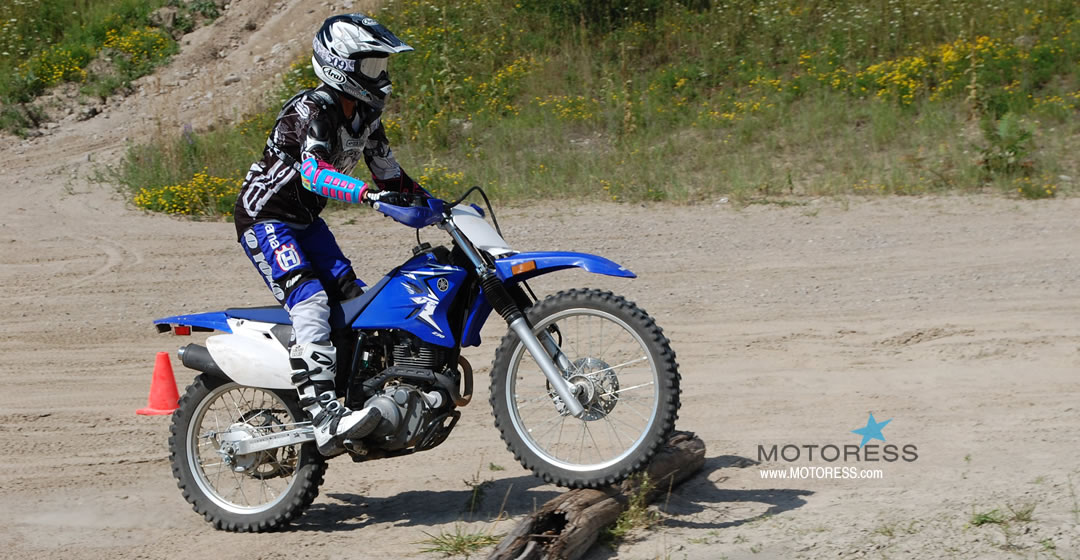
There’s no doubt that, at some point, while riding your motorcycle or scooter, you’ll encounter something unavoidable in your path on the road ahead. Whether it’s a piece of wood, debris from a vehicle ahead, a small animal, or even a curb you must navigate after swerving to avoid a collision, you know you’ll need to handle it. The good news is, your motorcycle is highly capable of maneuvering over many obstacles — more so than you might think. To help you prepare for the task, here’s a step-by-step guide on how to ride over road hazards with confidence and control, ensuring you can handle these situations and keep riding safely.
When I first trained for my motorcycle license, I had to ride over old car tires and a two-by-four plank of wood. While this isn’t part of most modern motorcycle training curriculums, I found it incredibly useful — and surprisingly fun! It’s a skill that can make a real difference when you’re faced with unexpected obstacles on the road, namely because you will know how your motorcycle feels and what to expect.
Steps to Riding Over Road Hazards
-
- IDENTIFY: Once you spot the object, the first step is to identify it as a hazard. Assess the situation quickly, then begin to slow down by rolling off the throttle. You may also need to brake, depending on your timing and traffic conditions. Read below for why hard braking is not recommended in this situation.
- APPROACH: Try to approach the obstacle at a 90° angle (straight on) so that your front wheel hits the object directly in the center of the tire’s contact patch. Hitting the object at an angle can cause the wheel to twist or be jolted off course, often resulting in a loss of control.
- UP ON THE PEGS: Lower your center of gravity by standing on the foot pegs as you approach the hazard. This helps stabilize the bike while allowing your knees to absorb some of the shock from the impact. For cruisers with forward foot pegs, this will be more challenging, but you can stiffen your lower body and grip the tank with your knees to prepare for the impact.
- GRIP THE HANDGRIPS: Before you reach the obstacle, make sure to firmly grip the handgrips, wrapping all of your fingers around the grips. Do not cover the levers. A firm grip will help you control and stabilize the handlebars (aiming to keep them straight) and maintain control of the bike. Do not engage the brakes or clutch at this point.
- ROLL ON THROTTLE: As the front tire nears the object, slightly roll on the throttle. This acceleration shifts the weight toward the rear of the motorcycle, allowing the front wheel to lift and cross the obstacle smoothly. You want the bike to lift itself by transferring weight from the front to the rear wheel through acceleration.
- THROTTLE ROLL-OFF: Immediately after the front tire clears the obstacle, shift your weight forward, which lightens the rear of the bike and extends the rear shocks. This helps the rear wheel smoothly cross the obstacle. Staying on the throttle could cause the rear wheel to slip or even throw the object, which could lead to damage or injury.
- STOP (if necessary): Once both tires have returned to the ground, pull over safely to the side of the road if needed. Take a moment to inspect your motorcycle for any potential damage. Stay calm, focus on the road ahead, and avoid panicking.
More Key Points for Riding Over Road Hazards

- Allow Time for Stabilization: After riding over an obstacle, make sure your motorcycle has time to stabilize before sitting back down on the seat. This helps maintain control and balance.
- Avoid Fixating on the Obstacle: During the process, try not to focus solely on the object in the road. Keeping your gaze ahead will help you stay in control and navigate smoothly.
- Assess the Obstacle’s Size: As a general guideline, if the object is no higher than the mid-point of your motorcycle’s wheel, you can likely ride over it safely.
- Keep Scanning the Road Ahead: Always scan the road ahead for traffic changes and other potential hazards. Remember, where you look is where you go, so keep your eyes focused on the path you want to take.
Practice Riding Over Obstacles in a Parking Lot
To better prepare for encountering obstacles on the road, arrange with a friend to bring a squared-off two-by-four plank and an old tire to a vacant parking lot. Set these objects up and use the techniques outlined above to refine your skills. Start with an object that is not too tall to ensure a manageable challenge, then gradually work your way up to larger obstacles like the two-by-four.
Once you’re comfortable, you can try a more advanced technique: compressing the front forks just before hitting the object. This creates a “spring back” effect in the front suspension. With proper timing and a slight throttle increase, this will raise the front end of your motorcycle as you go over the obstacle. The result is a weight shift from the front to the rear of the bike, allowing the suspension to absorb the impact more effectively.
This technique maximizes the shock-absorbing capacity of your suspension right when you need it most. However, remember to shift your weight to the pegs and lift your butt off the seat as the rear tire hits the obstacle, as this will prevent a severe vertical bounce.
To further hone your skills, practice riding over the same objects while seated, applying all the methods mentioned above!
Why Not Just Brake Hard?
For many riders, Panic reflexes often trigger a knee-jerk response and tend to be the first reactionary instinct in moments of potential impact. When it seems like you’re about to collide with an obstacle on the road, braking hard may seem like the instinctive thing to do. However, in most cases, it’s actually not helpful and can make the situation worse.
When you brake hard, your motorcycle’s shock absorber system compresses to its maximum travel, which means it’s unable to absorb the impact of the bump. As a result, you will feel the full force of the obstacle, and this can lead to a loss of control, putting you at a higher risk of an accident /mishap.
Another equally important reason to avoid hard braking when you hit an obstacle is the risk of skidding. Even a brief front tire skid can result in a total loss of control. If you’re travelling in a straight line when the skid begins, there’s a better chance of recovery. However, if the skid occurs because your front wheel has been lifted off the ground due to the impact, it’s unlikely that the front wheel will return to the ground pointing straight ahead, which significantly increases the chance of a crash.
Additionally, when encountering an animal or any organic material on the road, applying the brakes can be even more dangerous. As your tires roll over the object they will act like erasers gripping it and transferring debris onto your tires, but sliding and making your ride even more unpredictable.




4 comments
Taken out by 4x4x6 block of wood. Didn’t see until last second due to car pulling out of housing area on main road I was driving on
Hi! Sorry to hear and hope damage to you and bike were minimal. Indeed, having time to react helps. One of the strategies for the common happening of vehicles pulling out in front of motorcycles is to try and site these hazards before. And of course strategies for being seen. Here’s a good article… on Combating Motion Camouflage. Maybe a few tricks to help avoid in future?
Dear motoress, this is by far the best and simply yet perfectly written guide to offroad basics. Loved reading it, especially with a smile all through.
Great Reminder! An old tire seems scarier to me than a two x four… Thus something to practice.