
Last Update: 5 February 2026
Looking for a new ride — whether it’s the latest model from a manufacturer or a well-kept used motorcycle — is exciting. It can also be a surprisingly involved process as you weigh your “must-haves,” your nice-to-haves, and what fits your budget and riding plans — especially if this is your first bike. The good news: buying used is a smart, popular choice for riders at every level. This used motorcycle buying guide will walk you through exactly what to check so you can spot a great second-hand bike, avoid costly surprises, and ride away with confidence.
In the First Place
Before you start shopping, get clear on how you’ll actually use the bike. Will it be a commuter, a weekend backroad escape, the occasional track day — or a mix of all three? Are you planning longer tours, short day trips, or riding with a passenger? Answering these questions upfront will quickly narrow your options and make the search far less overwhelming.
Be honest with yourself, too. A high-powered sportbike might look incredible on paper and score serious cool-factor points, but if your reality is city traffic, rough roads, or carrying a passenger, you may end up uncomfortable — and regretting the choice. The right used motorcycle is the one that fits your riding life, not just your wishlist.
Buying Used From a Dealership
There are real advantages to buying a used motorcycle from a reputable dealership — especially if you want a safer, more predictable purchase. If your budget allows, it’s worth prioritizing. Dealerships typically take in a steady stream of trade-ins, and many of those bikes are solid, well-maintained machines that were ridden normally and serviced on schedule.
Yes, private sales can be cheaper. But that lower price often comes with one big trade-off: you’re usually buying “as-is.” If the motorcycle develops a serious issue shortly after you hand over the cash, you may have little to no recourse. And some of the most expensive problems can be hard to spot during a quick viewing — things like hidden crash damage, poorly repaired plastics, or even a bent frame from heavy impacts or stunt use.
A dealership purchase can reduce that risk. Many dealers:
- Inspect and recondition used bikes before listing them (at least at a basic level).
- May provide service records or a pre-sale inspection report.
- Often offer a limited warranty, short-term coverage, or an optional extended plan.
- Are more likely to help if something goes wrong early on (even when it’s not strictly “warranty,” reputation matters).
You’ll usually pay a bit more, and there may be fees, but in return you’re often getting more transparency, more consumer protection, and more support after the sale — which can be especially valuable for first-time buyers or anyone who isn’t confident doing a thorough inspection on the spot.
Buying Used Privately
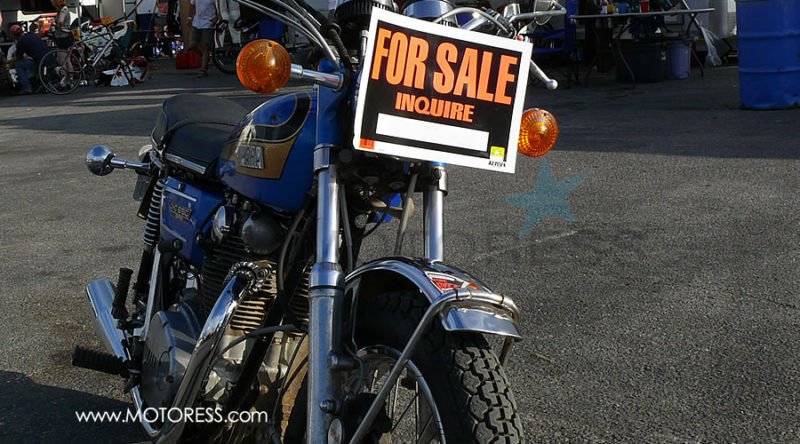
Buying a used motorcycle privately can be a great way to find a gem — and sometimes save a meaningful amount of money. You may also get a clearer picture of how the bike was actually used, especially if the owner is knowledgeable, organized, and has records. That said, a private sale usually comes with one non-negotiable reality: it’s on you to verify everything. No warranty, no dealer support, and no guarantees once the money changes hands.
Go in with a patient mindset. Don’t buy the first bike you look at, no matter how excited you are (or how “urgent” the seller makes it sound). If possible, bring a trusted rider friend—ideally someone who’s calm, detail-oriented, and not emotionally invested in this particular bike. It’s much easier to spot issues when you’re not already imagining yourself riding it home.
A few practical rules that make a big difference:
- Inspect in daylight. Avoid looking at a bike at night, in dim garages, or in rain — poor lighting hides scratches, leaks, mismatched paint, and subtle damage.
- Bring the basics: a small flashlight, a clean rag/paper towel, and your phone (for photos/video). If you have them, a small mirror and basic tools can help too.
- Take your time. A seller who rushes you, won’t let you look closely, or refuses a test ride/inspection is a red flag.
- Look beyond what’s shiny. Freshly detailed bikes can still have mechanical neglect underneath.
Use your flashlight to check the tight areas and “nooks and crannies” most people ignore: under and around the fuel tank, behind the engine, around the radiator, the underside of the motor, and along the frame rails. If the bike has side panels or fairings and the seller is comfortable with it, carefully remove them (or ask them to) to see what’s hidden. Underneath is where you’ll often find the honest story—signs of leaks, repairs, corrosion, missing fasteners, cracked tabs, zip ties, rubbing wires, or other “tell-tale” indicators of how well the motorcycle has been cared for (or not).
Finally, remember: in a private sale, the goal isn’t to “catch” someone — it’s to confirm the bike is what it’s claimed to be. A good seller will usually welcome sensible questions and appreciate that you’re doing your homework.
These points are key when buying privately however, they are also key factors to check when buying from a dealership or even someone you know.
10 Checks When Buying Used Privately
- Tires + wheels
Tires should have good tread across the full surface, with no cuts, puncture repairs you’re unsure about, bulges, or sidewall cracking (dry rot). Look at the tread profile too—if the rear looks “squared off” rather than rounded, it’s likely overdue for replacement (common on highway-heavy bikes). Track use often shows more wear at the edges.
Also check wheel condition:- Spoked wheels: squeeze/“tap test” spokes for consistent tightness; look for loose/bent spokes and rim dings.
- Cast wheels: check for dents, chips, or cracks (especially near the rim edge).
- Chain + sprockets (or belt/shaft drive)
If it’s chain-driven, inspect the chain and both sprockets closely. The chain should move smoothly with no stiff links, heavy rust, or “kinks.” Sprocket teeth should look even — not hooked, sharp, or cupped. Try gently pulling the chain away from the rear sprocket at the back — excess separation can mean wear.
Important: chain slack varies by model, so check it at the tightest spot and compare to the spec in the owner’s manual. A worn chain/sprocket set is common, but it’s still a cost you’ll want to factor in. - Brakes: rotors, pads, and feel
Inspect the brake rotors/discs by running a fingertip across them — light surface marks can be normal, but deep grooves, ridges, heavy discoloration (bluing), or obvious warping are red flags. Look into the calipers to check pad thickness (thin pads = immediate expense).
Squeeze the front brake lever hard: it should feel firm and progressive, not spongy. Check the rear brake pedal feel as well. - Suspension + steering
Check the front forks for oil residue, wetness, or grime stuck to oil (a sign of leaking fork seals). Look for pitting/rust on fork tubes — this can quickly destroy seals.
Bounce the front end and rear suspension: it should compress and rebound smoothly without clunks, squeaks, or pogo-stick bouncing.
Turn the handlebars lock-to-lock and feel for “notchiness” (possible steering-head bearing issues). - Sit on it and look for crash/drop clues
While seated, assess comfort and control placement — but also inspect for evidence of drops: scratched levers, bar ends, mirrors, grips, foot pegs, engine cases, exhaust, and plastics. A small tip-over isn’t always a dealbreaker, but lots of matching “touch points” usually tells a story.
Check bar straightness visually and confirm controls feel aligned and not bent. - Frame check (don’t skip this)
Look at the visible frame rails and steering head area for dents, cracks, fresh paint touch-ups, odd weld marks, or anything that looks “off.” If possible, remove the seat and look underneath. There should be no kinks, bends, or unusual marks.
If you see signs of structural damage, walk away — frame issues are expensive and can be unsafe. -
Battery + electrics (and a true cold start)
Access the battery (often under the seat). Terminals should be clean and tight — not corroded, crusty, or loosely connected. If you bring a multimeter:-
- Engine off: roughly 12.6V is healthy (low 12s suggests weak).
- Engine running: typically ~13.8–14.5V indicates the charging system is working.
Ask for a cold start — touch the engine cases to confirm it hasn’t been warmed up. A seller who pre-heats a bike may be masking hard-starting issues.
Test lights, horn, and indicators. Pop a fuse or two to check for corrosion (engine off).
-
- Fuel tank inspection (safely)
Open the fuel cap and use a flashlight to look inside. You’re checking for rust, corrosion, flakes, or sludge.
No flame (!)— no exceptions (no match, no lighter). - Remove panels/fairings and look underneath
If the bike has fairings/side panels and the seller allows, take them off (or have the seller do it). Underneath can reveal the real care level: wiring quality, cleanliness, missing fasteners, cracked tabs, zip ties everywhere, and signs of leaks.
Look around the engine cases, oil filter area, oil drain bolt, and oil pan for seepage. Inspect the radiator for bent fins and leaks.
Also check that the factory toolkit is still present (often under the seat or clipped inside a panel). -
Track/race clues + paperwork, history, and a pro inspection
Look for small drilled holes in fasteners or drain bolts — this can indicate safety wiring, common with track/race prep. Track use isn’t automatically bad, but it should affect your decision and price. Also note heavy modifications (exhaust, tuning, wiring changes, deleted emissions equipment, etc.).
Now the paperwork:- Confirm the VIN on the frame matches the documents (and any VIN label/plate).
- Ask for service records/receipts and the owner’s manual. Good owners usually keep proof.
- If you can, arrange a pre-purchase inspection at a reputable dealer or motorcycle inspection shop. The small cost can save you major money.
- Use proper channels to confirm the bike isn’t stolen and hasn’t been branded/salvaged where applicable.
Take a Test Ride: The Quick Road Test Checklist
If the bike looks good on inspection, a test ride is where you confirm how it actually runs. Choose dry roads and good visibility if you can.
- Be ready: Bring your motorcycle licence and proper gear. Dealers may require a waiver and may have loaner gear. Private sellers may ask to hold your licence as security.
- Choose a familiar route: Light traffic, decent pavement, and enough space to run through a few gears.
What To Check On The Ride
- Noise + vibration: Listen for odd rattles, creaks, knocking, or excessive vibration.
- Brakes: Smooth engagement, no pulsing (possible warped rotors), no spongy feel, no violent grabbing.
- Gears + clutch: Shifts should be consistent—no slipping, no popping out of gear under acceleration, no unusually harsh clunking.
- Stability: On a straight, clean section, do a gentle left-right weave. It should feel stable and easy to correct.
After The Ride
- Re-check for leaks/drips.
- Confirm oil level via sight glass (or dipstick once safe/cool if applicable). Darker oil can be normal.
How to Negotiate the Price
Go into negotiations with a realistic mindset and a clear number in your head. The best deals come from being prepared, not being aggressive.
Private sale: Remember the bike may have sentimental value to the owner. A very low offer can feel insulting and end the conversation fast. Instead, base your offer on facts — tire wear, chain/sprockets, overdue service, cosmetic damage, missing records, etc.—and explain calmly how those items affect value.
Dealership: Sales staff often have targets and limited flexibility, but you can still negotiate. Do your homework first: check pricing guides (when available), compare local classifieds, and look at similar models with similar mileage and condition. Then set your maximum price and stick to it.
Ask for value-adds: Sometimes the best “deal” isn’t the lowest sticker price. At a dealership, negotiate for extras:
- end-of-season winter storage,
- a fresh service or safety check,
- new tires / chain if they’re due,
- or gear/accessories included in the package.
If you don’t ask, you don’t get!
More Cautionary Points
- Get the paperwork right (Ontario private sales): The seller should provide a Used Vehicle Information Package (UVIP) —it includes key details like registration history and lien information (money owing) tied to the vehicle.
Tip: A UVIP isn’t the same as an accident/history report — some buyers also pull a separate report (e.g., CARFAX) for extra peace of mind. - Don’t gamble on the safety certificate: A Safety Standards Certificate confirms the bike meets minimum safety standards, and you can’t plate a vehicle without one. If you’re buying privately, hold out for an inspection from a shop that regularly safeties motorcycles (not just “any mechanic”).
- Know both numbers: Have a realistic idea of what your current bike is worth (if trading) and what the bike you’re buying typically sells for— so you’re negotiating from facts, not hope.
- If you’re trading in, presentation matters: Wash it, tidy it, clean the wheels, and make it look cared-for. Anything that screams “neglect” costs you.
- Basic maintenance helps your trade value: A clean, properly adjusted/lubed chain and a generally well-kept look signals routine care (and makes the dealer less cautious on pricing).
- Have service proof ready: Receipts, notes, and documented intervals go a long way — especially for higher-mileage bikes.
- Expect negotiation—on both sides: Don’t accept the first number. Be ready to counter with a fair offer, or ask for value-adds (discounted service, accessories, storage, etc.).
- Insurance isn’t optional: You’ll need insurance to be properly on the road — and it’s commonly required as part of the registration/plate process.
With the right homework, a careful inspection, and a smart test ride, you’ll be far more likely to end up with a used motorcycle you genuinely enjoy — and can trust!
SAFETY FIRST: READ THIS BEFORE YOU RIDE
NOTE: Motorcycling involves risk — prepare before you ride. Invest in quality riding gear for comfort and protection. Most importantly, take a certified motorcycle training course to build real proficiency, develop strong defensive riding habits, and often reduce insurance costs. Even if you’ve ridden for years, an advanced rider course is a smart way to sharpen skills and stay current. Ride within your limits, and choose a motorcycle you feel fully in control of — not one that overwhelms you. If you have any doubts about the road conditions or the bike itself, trust your instincts and don’t ride. If you have questions or concerns, feel free to contact me directly.