

Last Update: 25 January 2026

A popular and still ongoing belief today which has persisted amongst motorcyclists: “Loud pipes save lives.” The idea is that the noise from loud exhaust systems makes other road users aware of motorcyclists, thus reducing the chances of accidents. However, research and evidence suggest otherwise.
Let’s explore why loud pipes do not actually contribute to motorcycle safety and what truly does.
The Origins Of The Myth “Loud Pipes Save Lives”
The phrase “loud pipes save lives” likely originated from riders seeking to justify the use of aftermarket exhaust systems. These systems often significantly increase the volume of a motorcycle’s exhaust note. It is often the first thing a rider will replace or modify when they take possession of their new motorcycle, driven by the perceived “cool factor,” despite the rider often being unaware of its actual purpose. The logic seems straightforward — if cars can hear you coming, they won’t collide with you. However, this simplistic view doesn’t hold up under scrutiny.
The Reality Of Sound Direction

One major flaw in the loud pipes’ argument is the direction of the sound. Exhaust noise is predominantly projected backward, away from the direction of travel. So a motorcycle’s noise is primarily heard after it has passed, rather than before . This means that by the time a driver hears a loud motorcycle, it is often too late to react. And this is unlike emergency vehicles such as fire trucks, EMS and police vehicles, which are equipped with sirens at the front to alert others of their approach, the sound from a motorcycle follows it rather than precedes it. In other words, the noise generated by a motorcycle does not help in navigating through traffic as effectively as the sirens on emergency vehicles.
lass=”yoast-text-mark” />>Moreover, today’s vehicles are well-insulated against external noise, and drivers are frequently distracted by in-car entertainment systems and other factors, further diminishing the impact of loud exhausts.
Studies & Statistics
Research consistently shows that loud pipes do not reduce the risk of accidents. For instance:
- American Motorcyclist Association (AMA) Study: This study found no significant correlation between loud exhaust systems and a decrease in motorcycle accidents. Instead, it emphasised the importance of rider visibility and defensive riding techniques.
- National Highway Traffic Safety Administration (NHTSA) Report: According to a comprehensive NHTSA report, factors such as high-visibility clothing, proper lane positioning, and adherence to safe riding practices are far more effective in preventing accidents than loud exhaust systems. The report also highlighted that approximately 75% of motorcycle accidents involve collisions with another vehicle, usually a car. The presence of loud pipes did not show a statistically significant impact on the reduction of these types of accidents .
- European Road Safety Observatory (ERSO) Data: In Europe, where strict noise regulations are in place, countries with lower average motorcycle noise levels do not exhibit higher accident rates. This further undermines the argument that louder motorcycles are inherently safer.
- Insurance Institute for Highway Safety (IIHS) Study: The IIHS found that modifications to increase motorcycle noise, including loud pipes, did not correlate with a reduction in crash rates. Instead, it noted that crash avoidance technologies and rider safety gear were more effective in preventing accidents .
- California Office of Traffic Safety (OTS) Survey: A survey by the California OTS found that only 7% of drivers reported noticing motorcycles due to their noise. Most drivers cited visual cues and the movement of motorcycles as the primary factors for detection .
“Loud pipes are not just ineffective at saving lives — they also contribute to noise pollution, affecting the quality of life in our communities. This excessive noise not only damages hearing for the rider and those around them but also creates a negative perception of motorcyclists and is really – a form of anti-social behaviour.”
Quiet Alternatives: Enhancing Safety Without Noise
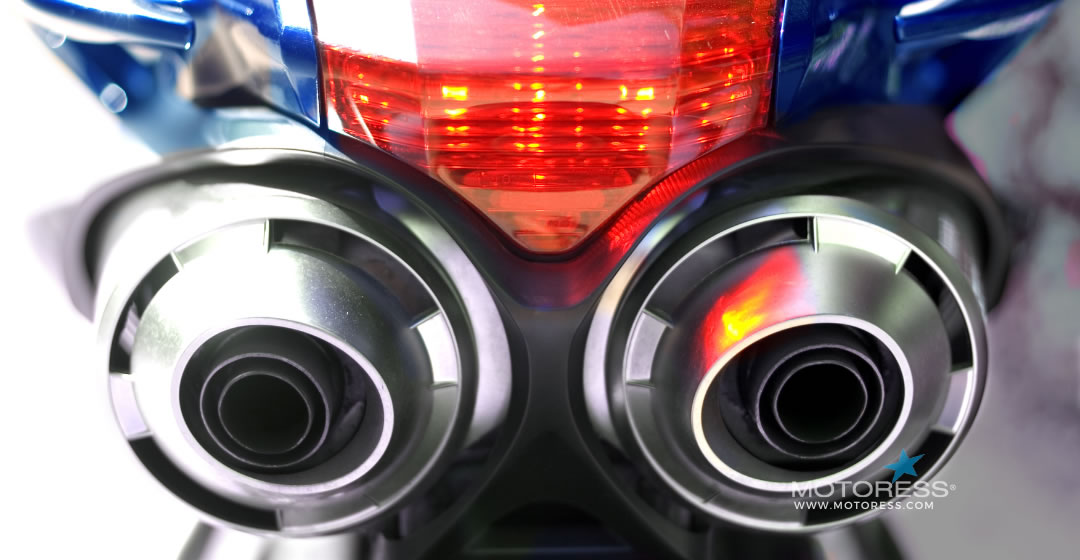 Instead of relying on loud pipes, motorcyclists need to focus on proven safety strategies:
- High-Visibility Gear: Wearing brightly coloured or reflective clothing makes riders more visible to other road users, especially in low-light conditions. According to NHTSA, wearing high-visibility gear can reduce the risk of a crash by up to 37% .
- Defensive Riding: Adopting defensive riding techniques, such as anticipating potential hazards and maintaining a safe distance from other vehicles, significantly reduces the risk of accidents. Studies have shown that defensive riding can reduce accident rates by up to 40% .
- Proper Training: Regularly participating in advanced motorcycle training courses helps riders develop and maintain crucial skills for safe riding. The Motorcycle Safety Foundation (MSF) states that riders who complete advanced training courses are 23% less likely to be involved in accidents .
- Proper Lane Positioning: Ensuring you’re visible in the mirrors of other vehicles and avoiding blind spots can prevent many accidents. Research indicates that proper lane positioning can reduce the likelihood of an accident by up to 30% .
- Maintenance: Keeping your motorcycle in top mechanical condition ensures all safety systems, like lights and brakes, function correctly. A well-maintained bike is less likely to be involved in mechanical failure-related accidents, which account for about 5% of motorcycle crashes .
The Environmental And Social Impact
Loud pipes are not just ineffective at saving lives — they also contribute to noise pollution, which affects the quality of life in communities. Excessive noise can lead to hearing damage for the rider and those around them, disturb wildlife, and create a negative perception of motorcyclists amongst the public.
Conclusion
The myth that loud pipes save lives is just that — a myth.
While it may seem intuitive, the evidence does not support the claim that louder motorcycles are safer. Instead, it is best to invest in proper training, high-visibility gear, and defensive riding practices to ensure your safety on the road.
>>By debunking this myth, we can focus on effective strategies that truly enhance motorcycle safety and foster a positive image of motorcyclists within our communities.