
Last Update: 12 March 2026
Whether your time away from riding was due to winter, a seasonal change, or simply life getting in the way, getting back on the road deserves a thoughtful approach. In How to Get Ride-Ready After a Seasonal Break: 12 Essential Tips, the focus is on preparing both your motorcycle and your riding mindset for a safe, confident return to the road. If your bike has been stored during the off-season—or has simply been sitting for a while—it’s important to make sure it is truly road-ready for safety and performance. Just as important is making sure you are mentally and physically ready to ride again.
12 Essential Tips To Get Ride-Ready
- Check the Tires: Inspect both tires carefully for cracks, flat spots, uneven wear, or embedded objects in the tread. Confirm tread depth remains within safe limits and inflate both tires to the manufacturer’s recommended pressure. Tires often lose pressure during storage, and even slight underinflation affects handling and braking.
- Inspect the Battery: If the battery was disconnected or the motorcycle has been sitting for an extended period, check its charge level before starting. Inspect terminals for corrosion and ensure all connections are clean and secure. Recharge or replace the battery if necessary — weak batteries often reveal themselves after storage.
- Check Engine Oil and Filter: Fresh oil is critical after a long pause, especially if the motorcycle has been sitting through seasonal storage. Check the oil level, condition, and replace both oil and filter if service is due. Clean oil protects internal components and supports smooth engine performance on restart.
- Inspect Brakes Thoroughly: Examine brake pad thickness front and rear, and inspect discs for wear or corrosion. Check brake fluid level and condition — fluid should be clear, not dark or contaminated. Test front brake lever feel and rear brake pedal response, ensuring braking action is immediate and smooth. Any softness or delayed response should be addressed before riding.
- Clean and Lubricate the Chain (if fitted): Clean the chain thoroughly, lubricate it properly, and check slack according to manufacturer specifications. Inspect both front and rear sprockets for wear, especially hooked or uneven teeth. Correct chain condition ensures smooth power delivery and reduces drivetrain wear.
- Confirm All Lights and Signals Work Properly: Check headlight high and low beam, indicators, tail light, horn, and both front and rear brake lights individually. Visibility and signalling are essential every ride, and faults often appear after storage.
- Check All Fluids — Including Fuel Condition: Inspect coolant, brake fluid, and any hydraulic reservoirs. If fuel has been sitting for an extended period, stale fuel may affect starting and running performance. Top off fresh fuel if needed before your first ride.
- Test Clutch, Throttle, and Controls: Operate the throttle, clutch, front brake lever, rear brake pedal, and gear selector to ensure smooth movement and proper free play. Controls should move freely without sticking, stiffness, or hesitation.
- Inspect Fasteners, Suspension, and Key Components: Check mirrors, footrests, pegs, levers, licence plate mount, and visible fasteners for security. Inspect fork tubes, rear shock areas, and shaft or swingarm components for oil leaks, corrosion, or signs of storage-related deterioration.
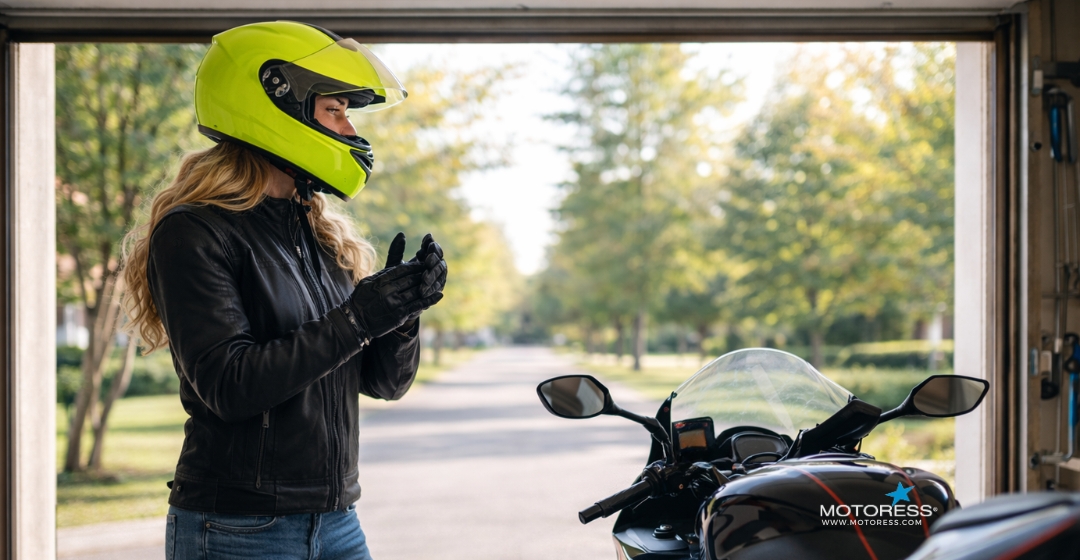
- Inspect Riding Gear Before You Ride: Clean and examine your helmet, gloves, jacket, pants, boots, and armour. Check soles, closures, seams, and protective inserts. Helmets should generally be replaced every 3–5 years depending on age and condition, and gloves should be replaced once material shows thinning or wear.
- Re-Familiarise Yourself with the Motorcycle: Your first ride back should begin slowly. Start with low-speed manoeuvres, braking practice, clutch control, and gentle cornering to reconnect with your motorcycle’s feel and response before heading into traffic.
- Prepare Yourself Mentally and Physically: Riding demands alertness, coordination, and focus. After time away, allow yourself a few kilometres to settle back into rhythm. Stay relaxed, scan actively, and remember that confidence returns best through smooth, deliberate riding
Ride Refresher
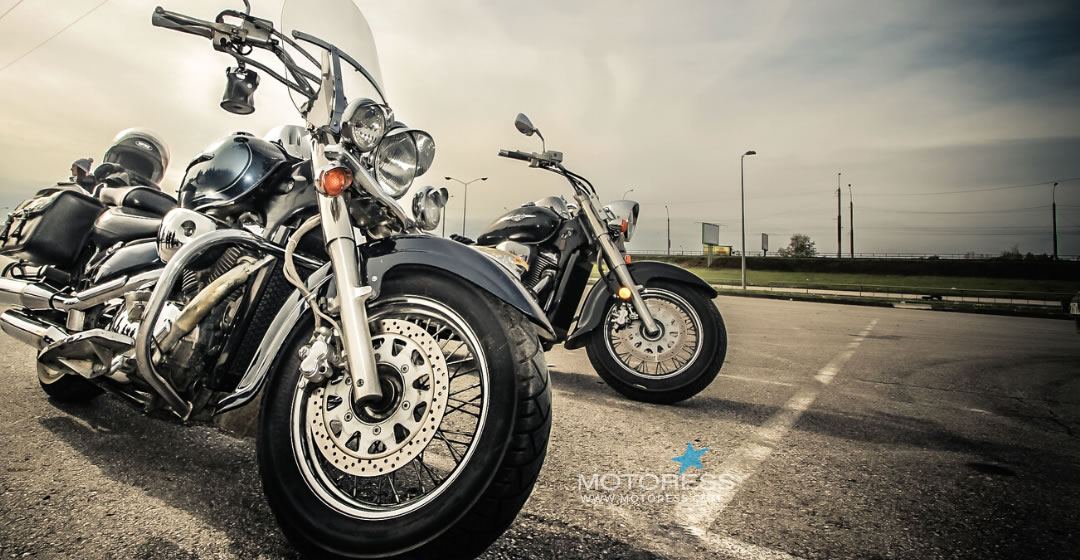
Before returning fully to the road, give yourself a short skills refresher in a quiet parking lot or other safe open space. This step is often overlooked, yet it is one of the best ways to re-establish control, smoothness, and confidence after a riding break. A few focused minutes of practice can make your first ride back safer and far more comfortable.
- Emergency braking in a straight line
- push steering practice
- Lane changes and hand signals
- Slow-speed manoeuvres
- Sharp right-hand turns from a stop
- Figure eights
- Smooth starts and stops
- Clutch/throttle coordination
-
Shoulder checks before lane movement
Mental Readiness for Real-World Traffic
Expect Unpredictable Road Conditions
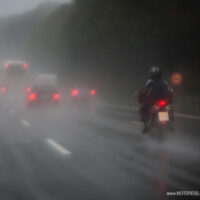
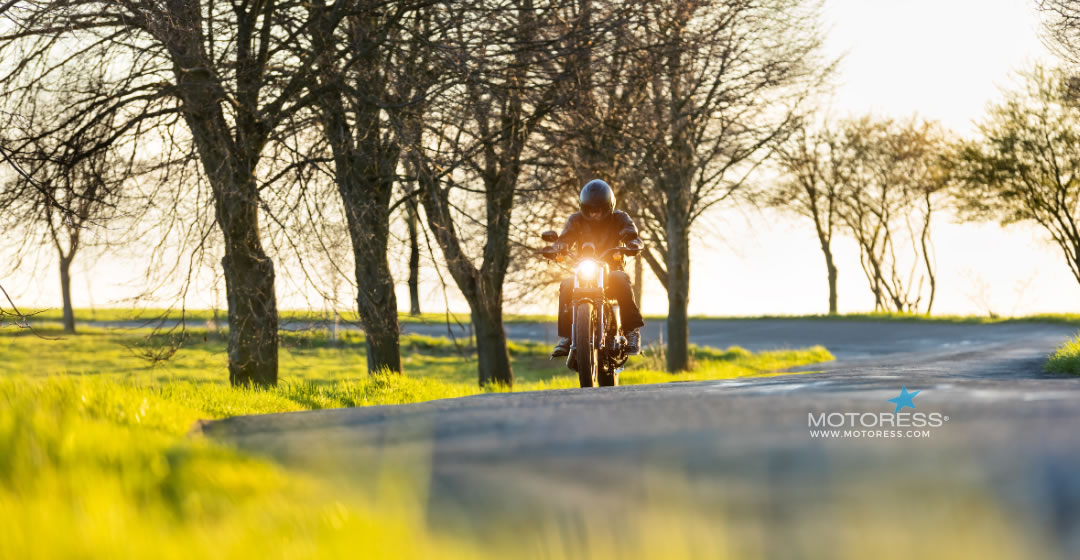
Early-season roads often present hazards that are easy to underestimate. Many riders wait for several rainfalls to help clear away winter residue before their first ride — and for good reason. Road salt, sand, grit, and debris used during winter can remain on the pavement well into spring, reducing traction exactly where you need it most. Be especially alert in corners, intersections, shaded sections, and low-lying areas where hidden ice, damp patches, or snow melt may still linger. These conditions can quickly catch a rider off guard if approached too aggressively.
Your first rides back should be deliberate, not ambitious — precision matters more than pace.
Ride Defensively — More Than Ever
After months without motorcycles on the road, drivers are often less conditioned to notice riders. Expect delayed reactions, lane drifting, sudden turns, and drivers moving into your space without warning. Ride with the assumption that you have not yet been seen, and position yourself where you remain visible while maintaining escape options. Defensive riding at the start of the season is not caution—it is strategy.
Ease Yourself Back Into Riding Form
The excitement of returning to riding can easily mask the fact that timing, reactions, and visual processing may not yet feel as sharp as before your break. Corners may arrive sooner than expected, braking may feel less instinctive, and your rhythm may take time to return. Begin at a measured pace and allow both your body and mind to reconnect gradually with the demands of riding. The goal of your first ride is not performance — it is re-establishing smoothness, judgment, and control.
Refresh Core Riding Habits
Before entering busy traffic, consciously revisit key riding habits: lane positioning, following distance, visual scanning, and maintaining protective space around your motorcycle. Reinforce your traffic checks —especially shoulder checks before lane changes, after stopping, and whenever rejoining moving traffic. Good habits return faster when they are intentionally brought back to the forefront.
Your first rides back should be deliberate, not ambitious — precision matters more than pace.
Spring Riding: What to Watch For
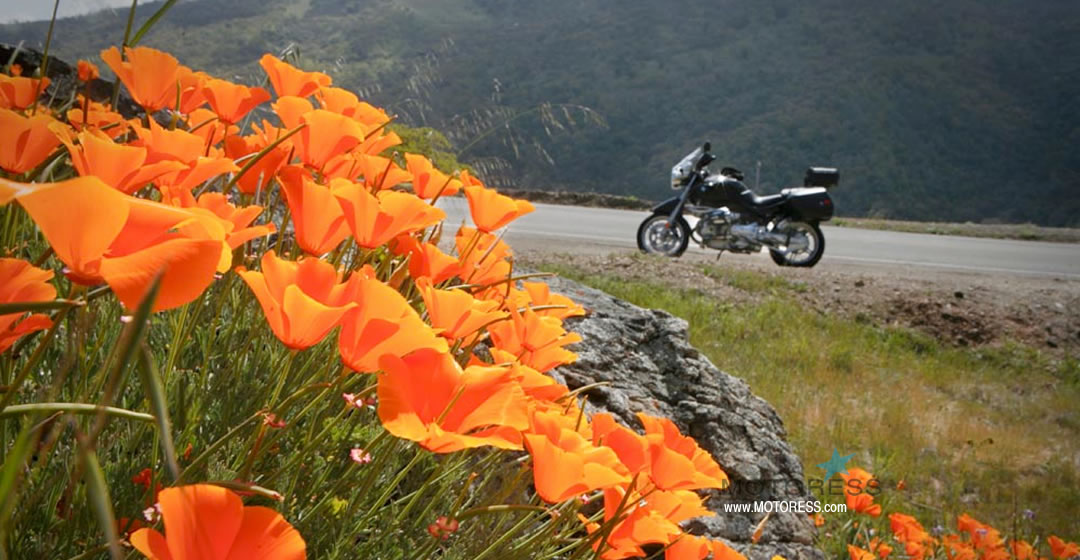
If you’re heading out once the cold season has passed, remember that early rides can still come with low temperatures and a cold road surface. On cooler days, your tires will take longer to build heat, and your motorcycle may also need more time to reach normal operating temperature. Ride accordingly and allow everything to come up to temperature gradually.
Snow melt, hidden ice, and damp road surfaces can still pose risks in early spring, especially in shaded areas and low-lying sections. Sand, grit, and other debris left behind from winter road maintenance often collect along road edges, in curves, at intersections, and on expressway on-ramps and off-ramps. These areas deserve extra caution, as traction can be reduced just when you need it most.
Road Surface: Be especially watchful for potholes and broken pavement caused by frost damage. These surface defects can appear suddenly and may be more severe than they first look, particularly after winter.
Motorist Awareness: Motorists too, may need time to readjust to sharing the road with motorcycles after months of winter driving. Stay especially alert in traffic, and expect that some drivers may not yet be actively looking for two-wheelers. Ride with patience, visibility, and defensive awareness.
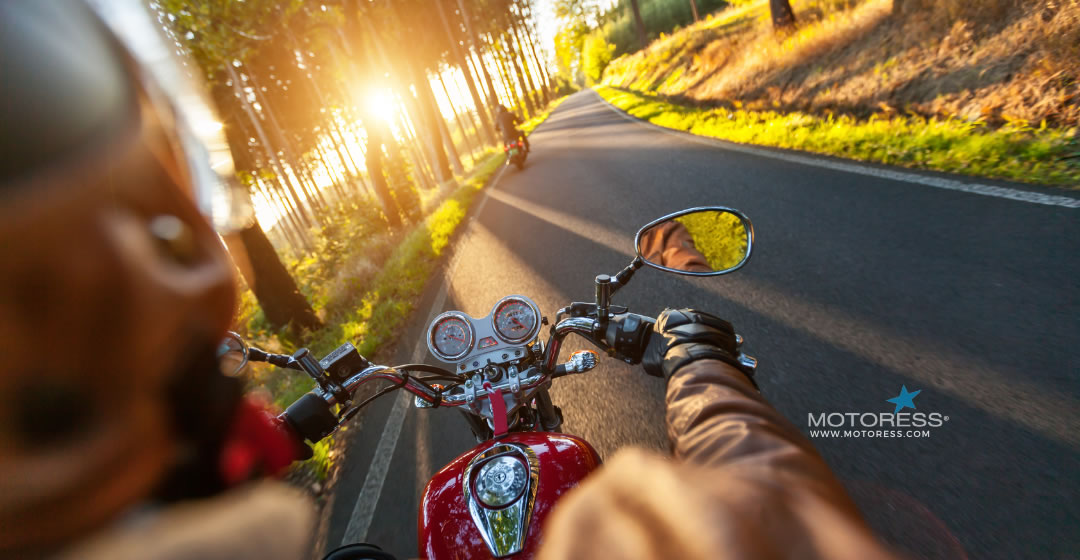
Despite the added risks of early spring riding or returning after a long pause, there’s nothing quite like being back on your motorcycle. That first ride brings excitement, but it should also be approached with patience, focus, and respect. Statistics show that mishaps are most common during these first rides after a break.
Give yourself extra space, ride smoothly, and allow time for your instincts and timing to fully return. Before you set off, do one final walk-around pre-ride inspection of your motorcycle.
With the right preparation and a measured approach, you’ll return to the road with confidence and control. Enjoy the ride—and have a safe, skilful season ahead.