

Last Update: 15 October 2025
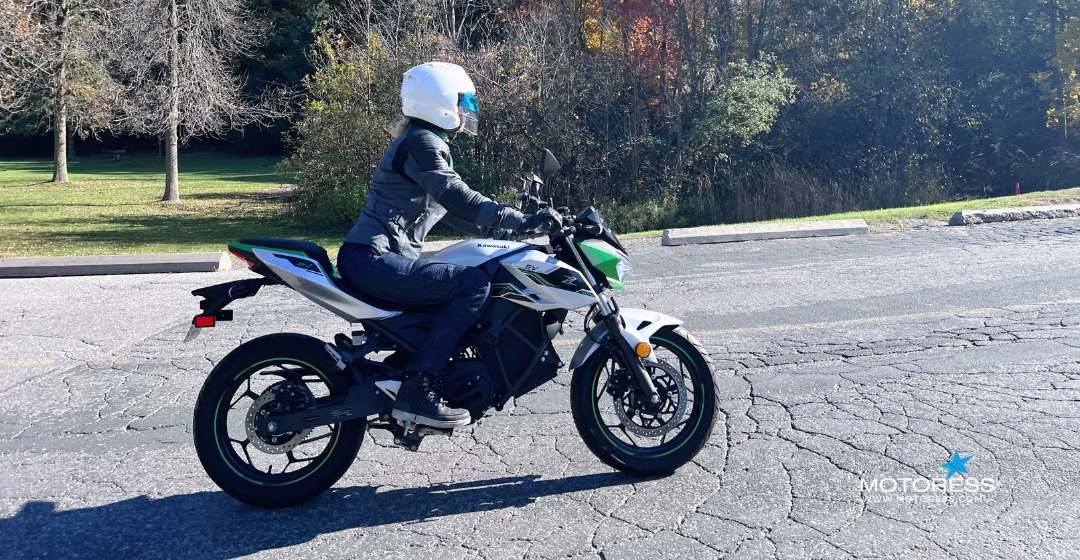
Testing the Kawasaki Z e-1, Kawasaki’s first fully electric motorcycle, offers a fresh perspective on what electric riding feels like. Recently, electric motorcycles have been the focus of close evaluation — riding, charging, and exploring their features from the viewpoint of a seasoned gas-powered rider. Used to the long-range freedom and quick refuelling of traditional bikes, this approach combines curiosity with a critical eye — especially in countries where vast distances make practicality essential. Most riders I train or talk to haven’t fully embraced electric motorcycles yet. Still, like all motorcycles, EVs offer real potential for the modern, environmentally conscious rider.
Enter Kawasaki’s Z e-1 — the company’s first fully electric motorcycle and a bold step into the EV segment, now a year into its release. I finally had the chance to take it for a proper test ride, and overall, it delivered a fun and surprisingly well-balanced experience.
A Lightweight Delight — Especially for New Riders

One of the standout qualities, of the Z e-1 and generally of all electric motorcycles is its lightweight design. At just 135 kg (298 lbs) with batteries, it feels nimble, approachable, and confidence-inspiring — especially for new riders or those stepping into urban commuting. The low seat height and neutral ergonomics offer an easy reach to the ground, making stop-and-go traffic less tiring and more intuitive.
Urban Focus with a Hint of Sport
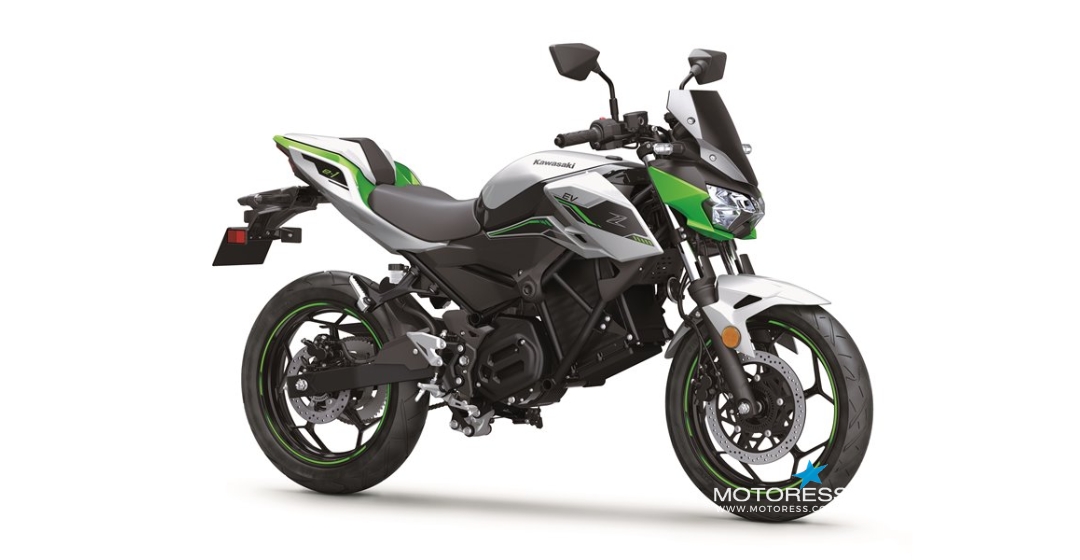
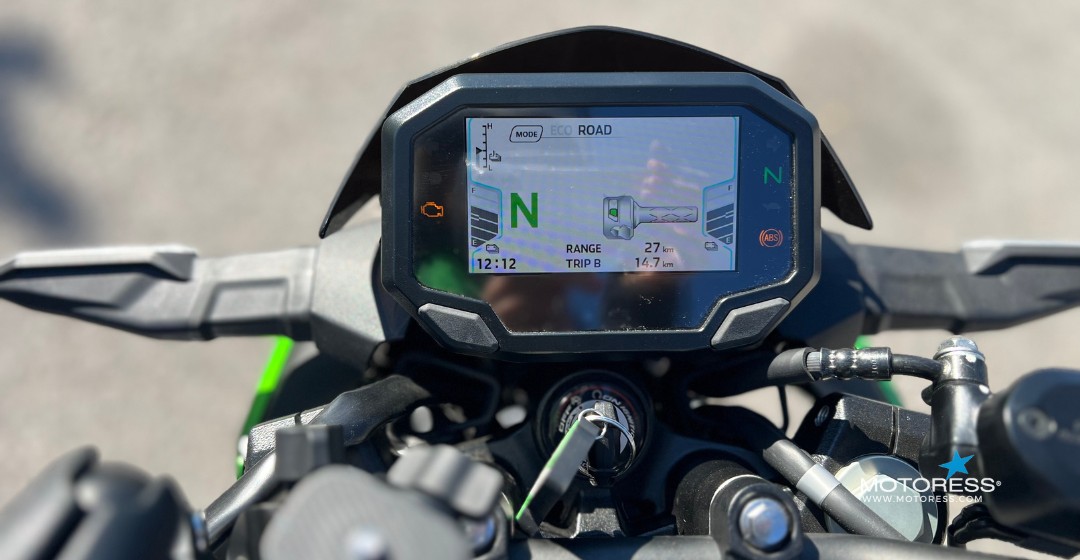
Performance-wise, the Kawasaki Z e-1 offers a smooth, responsive ride. The EV power delivery is instant, linear, and quiet — a refreshing change if you’re used to the mechanical drama of a combustion engine. In ROAD mode, the ride feels energetic enough for city traffic, and ECO mode dials things back for more efficient use of the limited battery range.
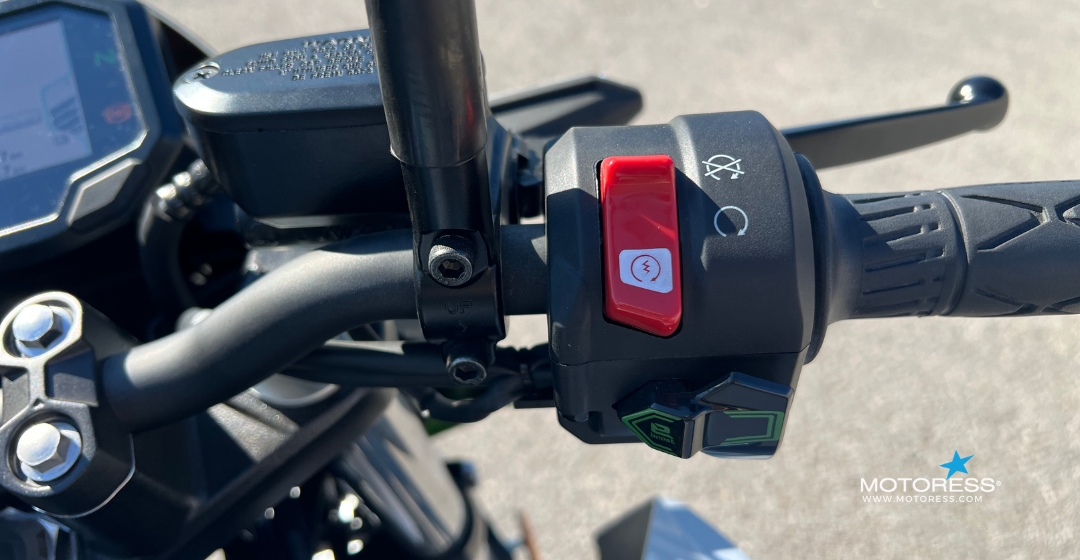
There’s also an e-boost function for short bursts of power, useful when overtaking or merging. It’s a neat feature – especially off the stop but limited in duration, and not quite a game-changer.
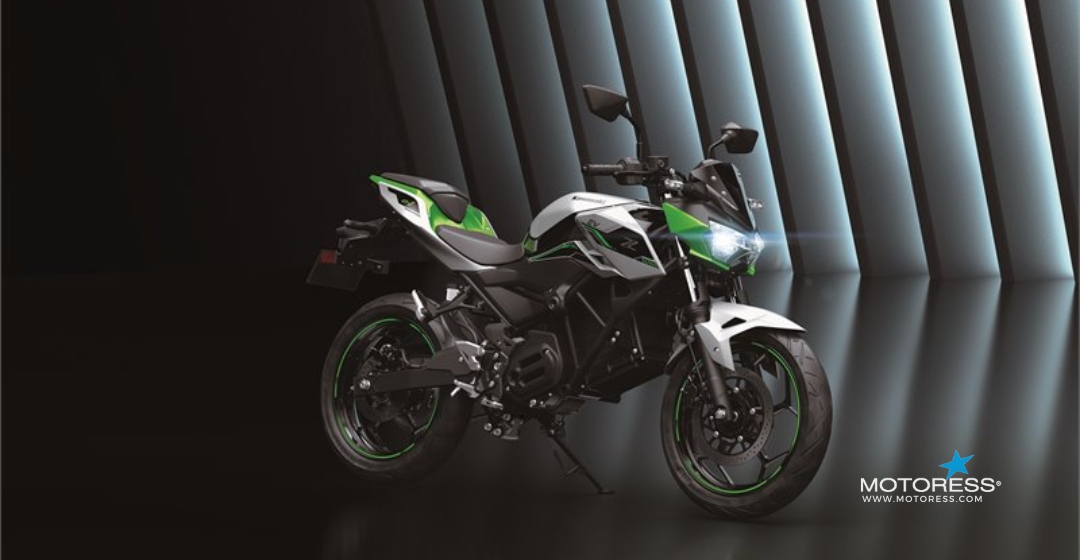
Stylistically, the Z e-1 retains Kawasaki’s Z-family design language — sharp lines, a modern LED headlight, and a minimalist EV dash. The bike looks the part and turns heads for all the right reasons.
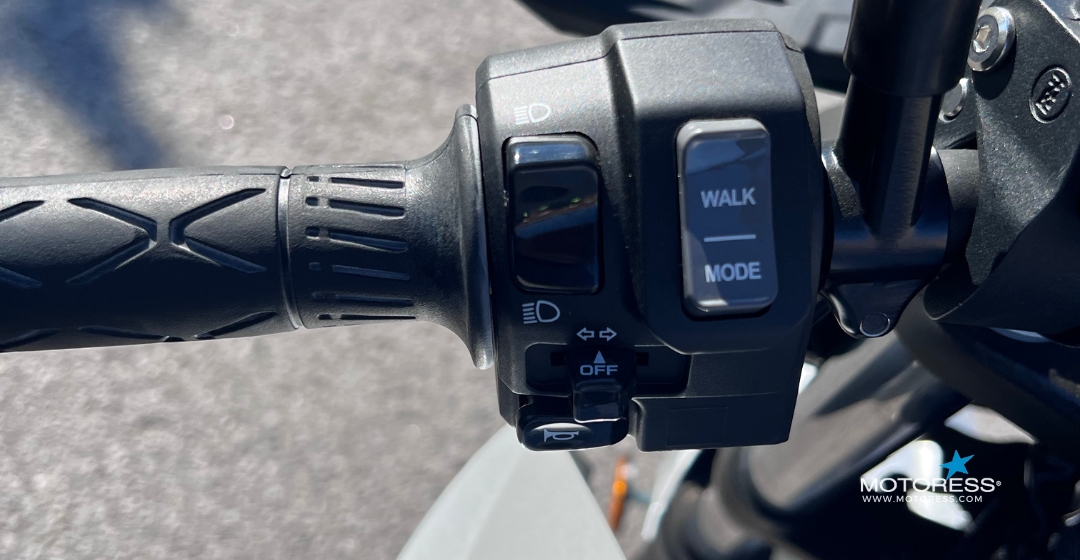
Another thoughtful feature on the Z e-1 is WALK Mode, which includes both a slow forward crawl and a reverse function. It’s designed to make manoeuvring in tight spaces — like parking lots or garages — much easier. Once activated, a gentle twist of the throttle moves the bike forward at walking speed, while rolling it past the zero point engages reverse. It’s a small but practical addition, especially for newer riders or anyone navigating tight quarters.
But… the Range
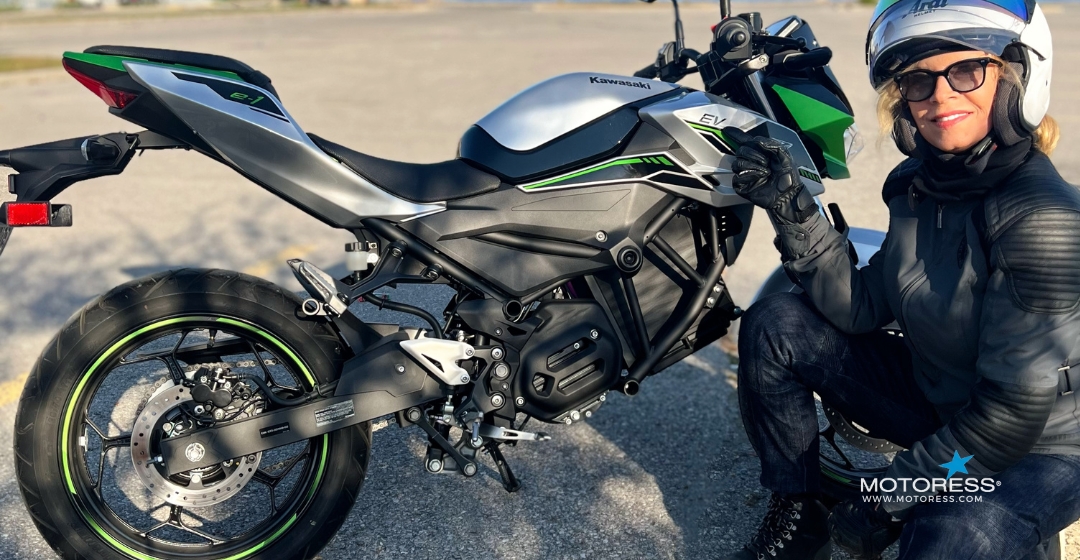
This is where it gets tricky. The claimed range is 67 km — and that can drop further if you’re riding aggressively or frequently using e-boost. While this may work well for inner-city commutes or short daily errands, it falls short for anyone considering weekend rides, day trips, or longer commutes — especially in Ontario / Canada, where we often travel longer distances between destinations.
Charging: Manageable, But Time-Consuming
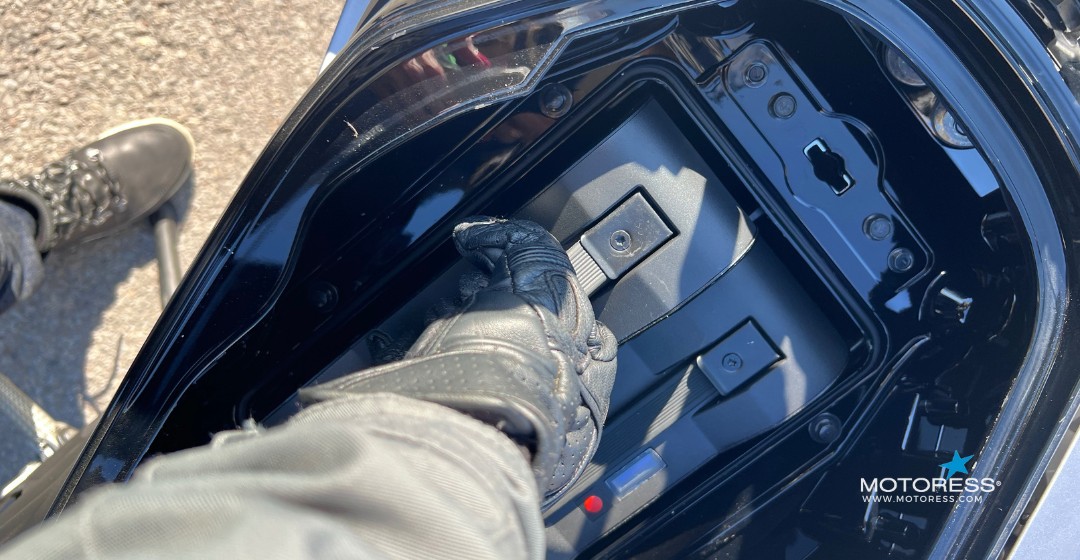
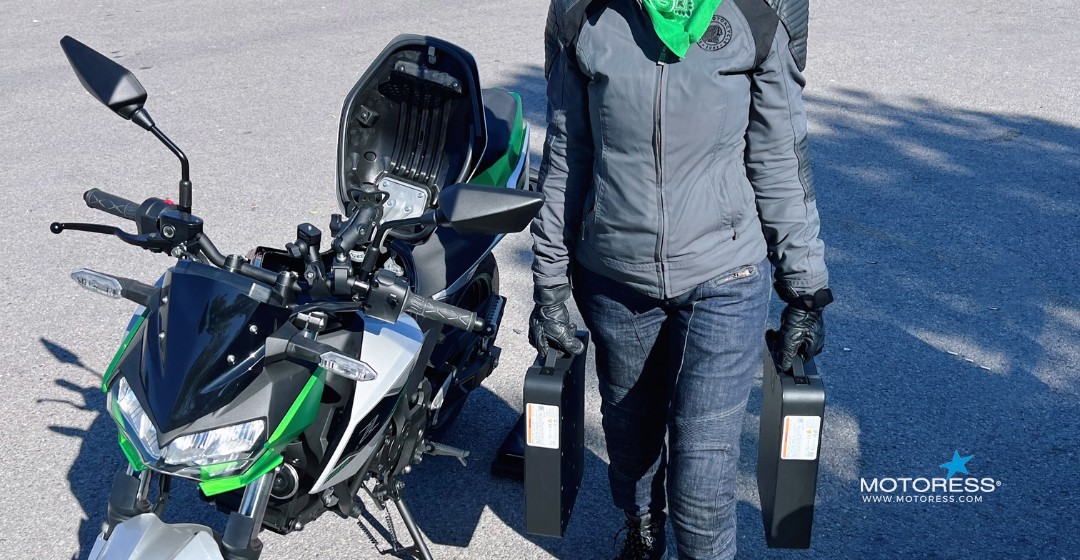
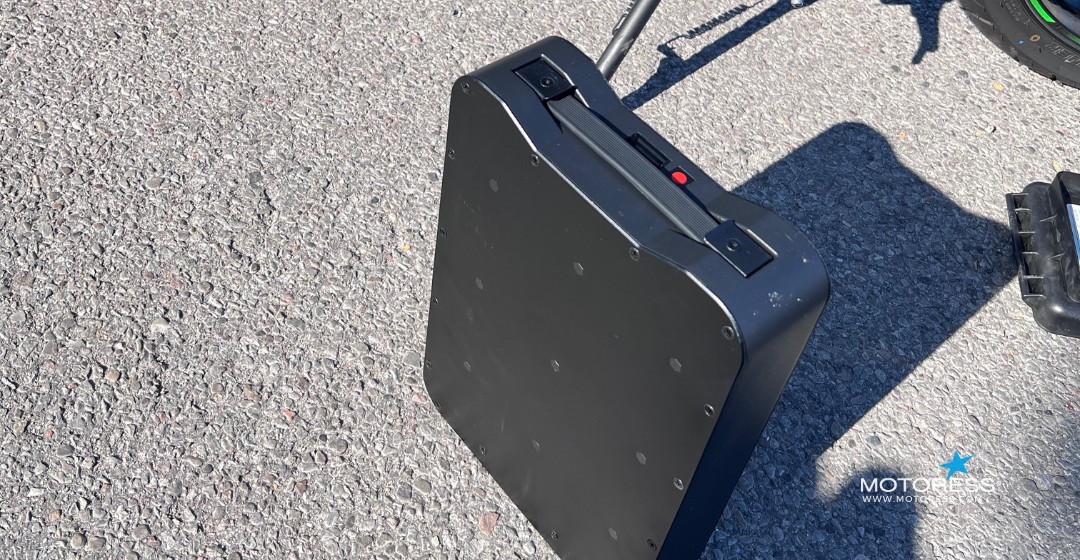
Charging the Z e-1 is relatively straightforward, though it does require planning. The bike is powered by two removable batteries, which can be charged either on the bike or off, using a standard household outlet.
A full charge from 0% to 100% takes about 3.7 hours per battery, while a partial charge from 20% to 85% takes around 1.6 hours per battery. With two batteries, you can charge them simultaneously if you have two chargers, or one after the other.
While the flexibility is appreciated, there’s no quick-charge option, and for riders used to a 5-minute fuel stop, the charging process — especially with just one charger — can feel lengthy.
Conclusion: A Bold First Effort, But Not for Everyone
The Kawasaki Z e-1 is an exciting milestone. It’s clearly aimed at new riders, urban commuters, and those looking to dip their toes into EV motorcycling. Its lightweight build, ease of use, and quiet performance offer an enjoyable ride around town. Kawasaki should be applauded for this first full EV effort — both with this model and the seemingly more popular Ninja e-1.
However, at $9,200 CAD, it’s hard to ignore the limitations. At this price point, riders can opt for a fuel-powered motorcycle with significantly more range, versatility, and performance — and that still matters. Especially in a country where long-distance capability is often essential.
It’s also worth noting that moving into 2025, only the Ninja e-1 appears to remain available — and only in select markets. That makes the Z e-1 feel even more like a short-term, entry-level experiment rather than a long-term solution.
Still, it’s a glimpse into a future that’s rapidly approaching — one where EV motorcycles will need to stretch a little further to truly meet the demands of riders, especially those who go the distance.
Kawasaki Z e-1 Highlights and Specifications:
Powertrain & Performance
- Motor: Air-cooled, interior permanent magnet synchronous motor
- Rated Output: 5.0 kW (6.8 PS) @ 2,800 rpm
- Max Output: 9.0 kW (12 PS) @ 2,600–4,000 rpm
- Max Torque: 40 Nm (4.1 kg·m) @ 0–1,600 rpm
- Riding Modes:
- ROAD: Top speed 85 km/h
- ECO: Top speed 62 km/h
- e-boost: Increased performance for brief periods
- Electric Consumption: 43 Wh/km (including charger energy use
Battery & Charging
- Batteries: Dual removable lithium-ion packs
- Voltage/Capacity: 50.4 V / 30 Ah each
- Full Charge (0–100%): Approximately 3.7 hours per battery
- Partial Charge (20–85%): Approximately 1.6 hours per battery
- Charging Options: Charge on or off the motorcycle using a standard household outlet
Design & Handling
- Weight: 135 kg (298 lbs)
- Seat Height: 785 mm
- Frame: Lightweight, nimble design for urban manoeuvrability
- Riding Position: Relaxed, upright for comfort during daily commutes
Technology & Features
- Instrumentation: TFT full-colour display with smartphone connectivity
- Modes: ROAD, ECO, and e-boost for varied riding experiences
Additional Features:
- No-clutch operation for ease of use
- Convenient storage box
- Rideology the App compatibility for enhanced rider experience
Visit your Kawasaki dealership to learn more!