

Last Update: 26 November 2024
Your motorcycle gear is a significant investment, and maintaining it properly ensures it delivers both safety and performance season after season. By learning how to prepare your motorcycle gear for winter, you’ll protect its value and longevity, ensuring it’s ready for action when the next riding season begins. This guide will walk you through essential steps to prepare your motorcycle gear for winter storage, keeping it in top condition for years to come.
As you prepare your motorcycle for its winter hibernation, your gear requires attention too. It’s essential to clean and, if necessary, make small repairs before before it goes into the closet to hang for months. By following a few simple steps, you’ll ensure your gear is in top shape and ready to go when the new riding season begins.
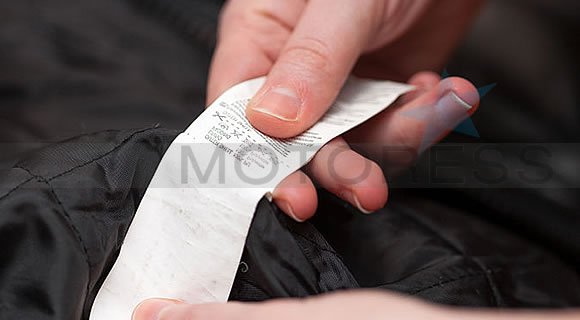
Importantly, check the instruction pamphlets which were attached to your motorcycle gear at time of purchase. These pamphlets typically include important cleaning and maintenance details. If you’ve misplaced them, check the labels on the inside lining of your gear for material-specific care instructions. These will generally provide you the details on the materials and washing/cleaning instructions. You can also visit the manufacturer’s website, where you’ll usually find the care guidelines you need.
YOUR MOTORCYCLE HELMET
 Cleaning the Outside
When cleaning your helmet stick to using water. A small drop of soapy water is fine, but avoid harsh cleaning agents like Windex, as they can damage the high-tech finishes of your helmet. To tackle bugs or dirt, begin by wiping down the helmet with a cloth soaked in water. Use a soft toothbrush to clean hard-to-reach areas, such as the ventilation holes.
It’s also important to lubricate the visor rubber rims and any trim with petroleum jelly or liquid silicone. Many helmets, like ARAI, come with a small bottle of silicone treatment. This helps maintain the smoothness of the insulating rubber, preventing it from drying out and cracking.
After washing the helmet treat it with a water-repellent product. This will cause water beads to form ensuring water disperses quickly when riding at speed. *Note: it is best to not use any chemical solutions on your visor – just water.
Cleaning the Inside
To clean the interior of your helmet, use a mild solution of baby shampoo, neutral soap, or green soap mixed with warm water. Avoid laundry detergents, as they can irritate sensitive skin on your scalp or face.
If the liner is non-removable, use a damp cloth to wipe down the inside of the helmet; wiping it down. You can also use an automotive interior cleaner, but be cautious of potential irritants. If the liner is removable, rinse it in a bucket of water or in your sink.
Allow the helmet to dry naturally at room temperature overnight, or use a hairdryer on low heat to thoroughly dry the interior. This is also an excellent opportunity to replace your visor. Visors are relatively inexpensive and tend to wear out more quickly than we often realize, so starting the new season with a clear visor is a smart move.
CLOTHING / GEAR
Whether your gear is made from leather or textile, all motorcycle clothing requires proper maintenance. Many cleaning products are unsuitable for motorcycle gear, and some detergents can damage the specialized features, such as waterproof coatings, breathable membranes, and Gore-Tex. Using the correct cleaning and restoring products is essential to preserving your gear’s performance.
Take into account things such as the recommended washing temperature and the types of substances safe for use on your gear. If the care instructions aren’t clearly stated, consult the manufacturer. They understand the specific needs of your gear and can provide the best guidance.
There are products specifically designed for cleaning and maintaining motorcycle clothing. These include cleaners for leather suits and leather boots, as well as treatments that make hydrophobic gear, like gloves, smooth and water-repellent. Additionally, there are specialized products for washing technical underwear and breathable textile clothing, as well as treatments that restore the water- and dirt-repellent properties of your gear.
Be sure to remove all the armour/ protectors from the garment including the back protector before cleaning your textiles. These materials cannot resist the variety of agents used for cleaning your gear.
Most of the membranes (GoreTex, COOLMAX, etc.) will not survive even a gentle cycle on your wash machine so always wash these by hand while following the manufacturers washing instructions. Never overheat them in the dryer and avoid wringing them out as this too will damage their qualities.
Use/purchase special textile soaps, such as REV’IT!’s Textile Wash specific treatments for these membranes will ensure these fabrics keep their breathable, wicking qualities.
After washing, lay linings flat on a large towel to dry. Hang jackets and pants over the bath or shower curtain rod to drip dry. Ensure both the inner and outer materials are completely dry before storing them to prevent mould buildup.
To speed up the drying process, use a handheld hair dryer.This is also handy for reaching inside arms and legs of pants.
Additionally, apply a small amount of silicone to zippers to keep them functioning smoothly.
Leather Motorcycle Clothing
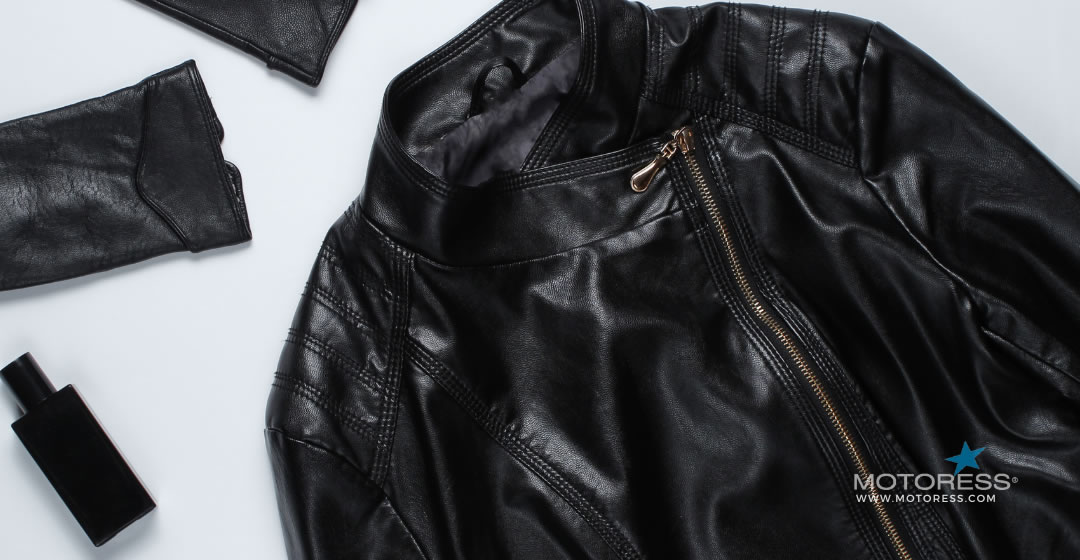
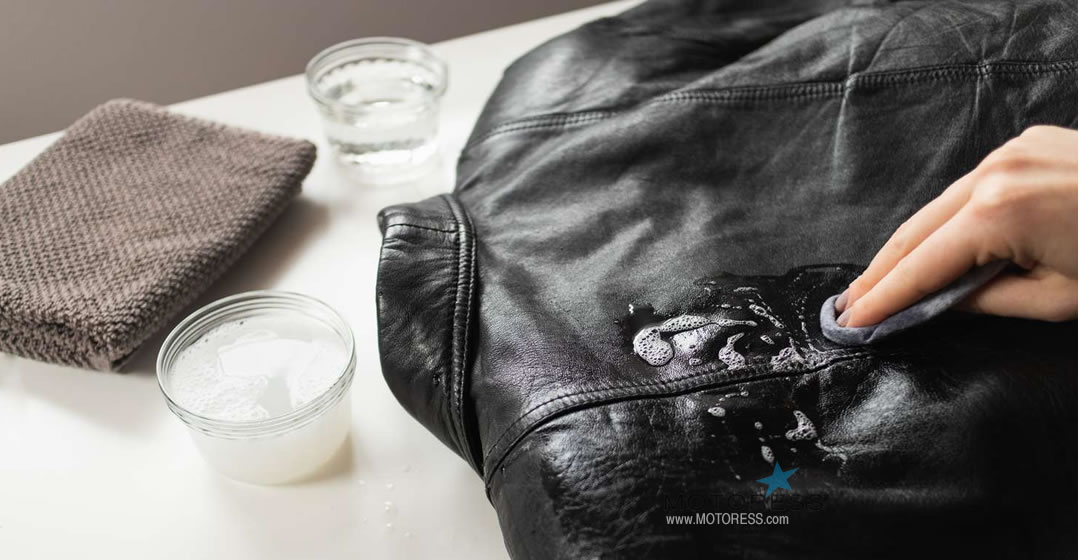
Leather gear needs regular treatment and cleaning throughout the entire riding season and a good prepping for storage. Smooth leather can be cleaned with a soft brush and/or a damp cloth. Stubborn dirt such as dried-in flecks can be treated with specific leather cleaners or even saddle soap.
Use the same for cleaning leather gloves and boots. Regular and thorough cleaning of your leathers will keep up their performance and form plus extend their life.
Leather should never be dried in direct sunshine or near a heat source/ heater.
Once your leather is clean and dry, bring a protective coat over it to resist rain and debris. These treatments will actually close the pores of the leather.
Store your motorcycle gear in a dry environment and preferably at a constant temperate.
Liners And Insulating Membranes
All motorcycle liners must be cleaned carefully, otherwise you risk damaging their functionality and form. It is best to buy special detergent/products available and suitable for textile clothing.
Most can be washed in the washing machine at a very gentle cycle. Avoid a high spin dry cycle and don’t use the dryer, but hang to dry. And of course hand washing will ensure the most careful method.
If you do opt for a dry cleaner, be careful for these items as the chemical cleaning are harsh and will break down the materials.
GLOVES & BOOTS
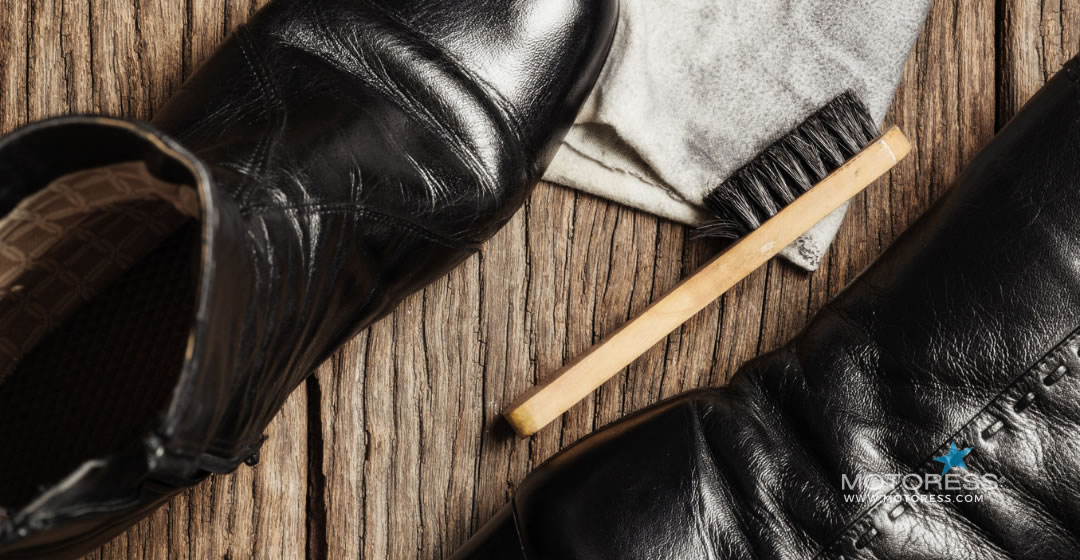
Like your other gear, gloves and boots require preparation before storage.
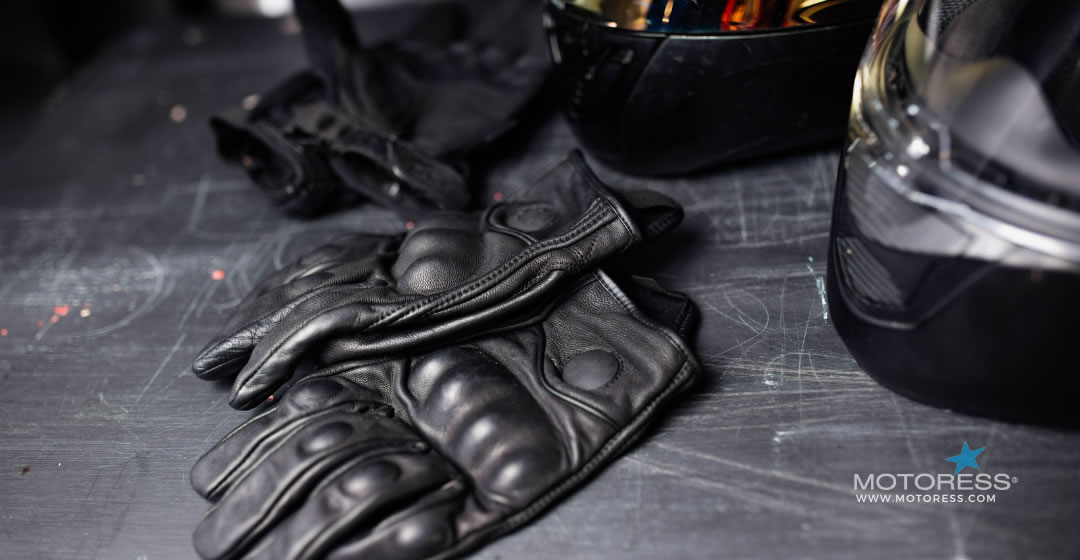
BOOTS: For boots, rinse them under water, taking care to avoid getting water inside. Once cleaned of debris, apply a fast-drying high-shine shoe polish, and once dry, follow up with a protective coating such as mink oil to help repel water.
GLOVES: For textile gloves, you can wash them in the washing machine on a gentle, delicate cycle. For leather gloves, follow the same care routine as you would for leather jackets and boots.
After cleaning all your gear, fasten all closures, zippers, clasps, Velcro straps, and even your helmet strap. This will help maintain the shape of the items while in storage.
Cleaning and preparing your motorcycle gear for winter storage ensures it’s ready for a fresh start next riding season! And conclusively, extending the life of your gear for many more safe rides.