
Last Update: 15 October 2025
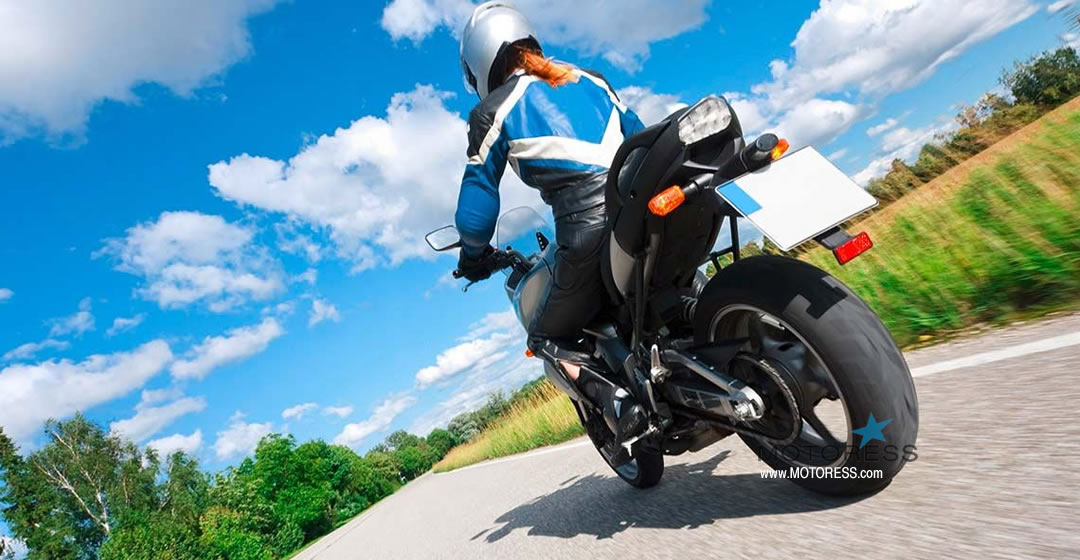
Through my research and experience as a motorcycle instructor, I’ve found that while strong operational skills are essential, effective risk management is equally critical for motorcyclists. Whether for women or men, motorcycling remains a high-risk hobby, comparable to activities like mountain climbing, skydiving, and white-water rafting, where the allure lies in the activity itself.
Within motorcycling, the motivations of riders can be categorised into distinct groups, often defined by how and what they ride.
Group A: Riders Drawn to the Thrill of Speed
These motorcyclists can be characterised by their intense passion for the sportier side of motorcycling, which includes:
- A strong desire for speed, relishing the full-throttle experience.
- Thrill in high-speed cornering and pushing their limits.
- Tendency to show off in traffic or on the road.
- A competitive nature, always striving to outpace other riders.
- Craving the adrenaline rush that comes from riding at the edge of control.
Group B: Connection and Fulfilment
Riders in Group B are defined by:
- A deep appreciation for the pure joy of riding.
- Using motorcycling to build confidence and self-esteem.
- Finding fulfilment in their identity as a rider
- A strong desire to fully immerse themselves in the riding experience.
- Turning to motorcycling as an escape from daily stresses.
- Genuine enthusiasm for the lifestyle, valuing camaraderie and pride in belonging to the motorcycle community.
Group C: Safety and Precision Advocates
Group C riders can be characterised by:
- A strong focus on showcasing their commitment to safe and responsible riding
- A riding style centred on minimising risks and preventing accidents, both for themselves and their motorcycle
- An unwavering pursuit of perfect control and mastery of riding techniques
- A natural inclination toward mentorship, often taking on instructor or leadership roles within the riding community.
Motorcyclists have long been recognised as a diverse group, with individual motivations for riding varying widely. This results in a wide variety of motorcycles available on the market, including:
- Classic or Standard Motorcycle: These feature basic equipment, designed for shorter journeys with an upright riding position, offering a simple and versatile riding experience.
- Sportbike: Lightweight, high-performance bikes built for speed and agility, commonly used in racing or aggressive riding on paved roads, with a forward-leaning riding position.
- Touring Motorcycle: Designed for long-distance riding, these bikes come equipped with advanced comfort features, ample storage, and enhanced fuel capacity to endure extended trips.
- Dual-Sport/Enduro: Versatile bikes built to handle both on-road and off-road conditions, perfect for tackling tougher terrains with a balance of performance and durability.
- Chopper: Custom motorcycles often built for short-distance cruising or as unique show-pieces, showcasing elaborate design and artistic modifications.
- Cruiser: Known for their low, relaxed riding position, cruisers are generally ideal for long or short-distance rides at a leisurely pace, with an emphasis on comfort and style.
- Naked Bike: A stripped-down version of a sportbike or standard motorcycle, these bikes combine a minimalistic design with street-oriented performance, often with a more upright riding posture.
- Adventure (ADV) Bike: Built for long-distance touring and off-road adventures, these bikes blend comfort, capability, and ruggedness, making them suitable for a variety of terrains and conditions.
Since there are various types of motorcycles, each form attracts different riding personalities, each with its own style and approach to the road. These include:
- Defensive, Easy-Going: Riders who prioritise safety and caution, taking a more relaxed, thoughtful approach to riding.
- Carefree, Happy, Fun: Riders who enjoy the freedom of the open road, embracing a laid-back, joyful attitude towards motorcycling.
- Moderate Sport: Riders who appreciate performance but maintain a balanced approach, enjoying the thrill without pushing their limits excessively.
- Sporty (Racing), Competitive: Riders with a racing mindset, driven by speed and competition, often pushing themselves to achieve the best performance on the track or road.
Personal riding style is largely influenced by the type of motorcycle the rider controls, though it’s not the only factor. This style impacts how a rider behaves both toward themselves and other road users. It can be understood through a decision-making process, where riders must constantly weigh the potential negative consequences (such as accidents) against the perceived benefits of taking risks. Effective motorcycle risk management requires riders to be aware of these factors and make informed choices on the road.
Danger Depends Largely on the Experience and Skill Set of the Motorcyclist.
The assessment of negative consequences, particularly danger, largely depends on the experience and skill level of the motorcyclist. This evaluation is primarily influenced by how life-threatening the situation is perceived to be. The willingness to take risks tends to increase in relation to how the rider values their life and their (sometimes erroneous) judgement of the danger to the situation. Interestingly, the lack of skills and the willingness to stay alive, believe it or not, in younger riders represent the biggest risk factors! It’s this desperate panic—paired with insufficient ability—that proves most harmful. Even in defensive rider training exercises, it’s evident that these two factors can also influence the behaviour of more experienced motorcyclists.
Motorcycle Risk Management: Behaviour Factors
Several factors contribute to how motorcyclists behave on the road, including the influences behind various accidents. Specifically, in single-vehicle accidents, the lack of safety awareness and insufficient practical experience often play a significant role, as riders lose their sense of caution.
I’ve also observed that riders with sportier engines or a sport-oriented riding style tend to have higher accident rates.
There are three main reasons for this:
- Risk Awareness: Safe riding starts with recognising potential risks. Once identified, riders can adjust their behaviour to account for the fact that they are responsible for both their own safety and that of others on the road.
- Risk Estimation: This is a skill that develops with experience. For example, a rider may not fully understand the risks of inadequate protective gear until they experience a serious injury or accident.
- Risk Recognition: You can’t manage risks if you don’t recognise them. Risks can be classified as subjective—relating to the rider’s behaviour and attitude—or objective, determined by external factors such as road conditions, other vehicles, and environmental elements.
Risk management should be a natural extension of a rider’s behaviour. Numerous factors contribute to it, including weather conditions, the state of the motorcycle and its components, and the rider’s health. Some motorcyclists manage risks instinctively. In principle it is something which entrusted in each one of us – it’s our natural defences against undesirable situations.
A rider’s attitude and mindset also play a significant role in how she/he handle risk. A positive attitude, along with the knowledge of how to prevent accidents and the ability to navigate challenges effectively, almost always leads to better outcomes in terms of reducing and avoiding risks.
NOTE: The risk factors are categorised as human factors, vehicle factors and environment factors. Knowing risk factors, one can develop countermeasures to improve traffic safety for motorcyclists. In Belgium, like other European countries, legislation about certain countermeasures is a fact. But we find gaps in issues like alcohol use, licencing and training. Growing attention to this issue and the resulting efforts hold the potential for positive outcomes. Future studies on motorcyclists’ profiles and risk factors are promising.