
Last Update: 15 October 2025
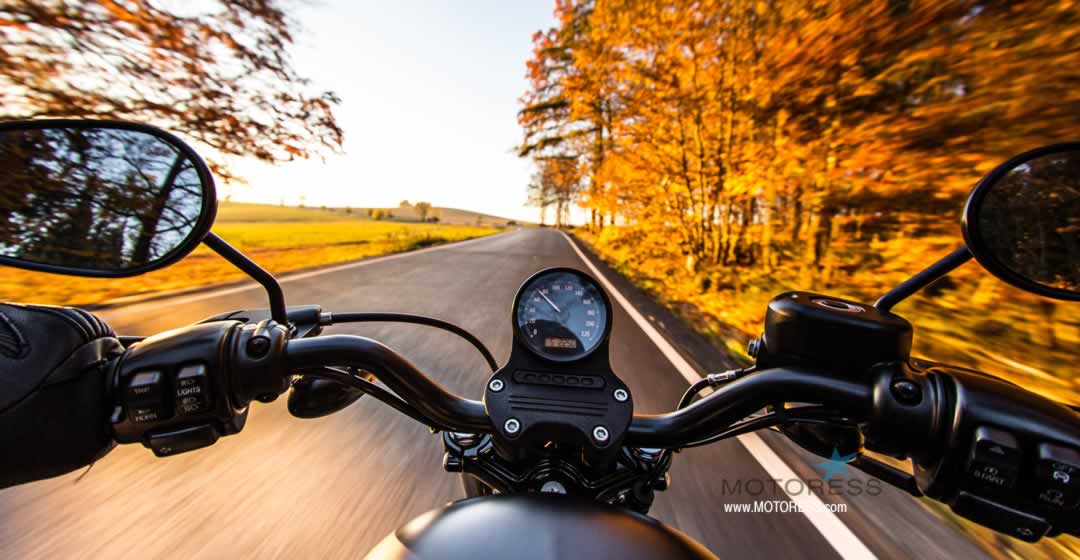
Gear up for an unforgettable autumn motorcycle ride! As the season transforms, roads are framed with breathtaking colours — leaves shifting from green to blazing oranges and fiery reds. Autumn offers some of the most rewarding routes, where crisp air and golden scenery turn every mile into a satisfying experience. The vibrant canvases of colour and rich seasonal scents make autumn motorcycle rides truly memorable. Yet, amidst this captivating backdrop, the season also brings unique road challenges. With a bit of preparation and planning, your autumn motorcycle rides can be both safe and spectacular.
How to Get the Most Out of Your Fall Motorcycle Rides
PLAN YOUR JOURNEY
Autumn days are shorter, so map out your ride with daylight in mind. Allow extra time compared to summer routes — you may need more breaks to warm up and will likely ride at a steadier, slower pace on slicker roads. Choose a route that ensures you’ll arrive before dark, when temperatures drop and visibility becomes more challenging.
CHECK THE WEATHER FORECAST
Fall weather can change quickly. Whenever possible, pick the day with the most favourable forecast for your ride. Clear, dry conditions will make for a more enjoyable and safer journey, while helping you avoid unnecessary risks from rain, fog, or dropping temperatures.
CHECK YOUR MOTORCYCLE BATTERY
Cold weather puts extra strain on motorcycle batteries causing them to drain faster than in warm, dry conditions. Give your bike a full charge the night before your ride so you start the day with maximum power and peace of mind.
CHECK YOUR TIRES
Cooler autumn temperatures lower tire pressure, so always check and adjust before heading out. Inspect tread depth carefully — end-of-season wear can reduce grip just when you need it most. Proper inflation and healthy tread are essential for safe traction on chilly, leaf-covered roads.
COLD TIRES
On chilly days, tires take longer to heat up — and may never reach the grip levels you’re used to in summer. The first kilometres are the most slippery, so use extra-smooth throttle, brake, and steering inputs until things stabilise. Soft-compound tires especially struggle in the cold, staying hard and reducing traction. Ease into your ride and let the tires do what they can.
CHECK LIGHTING SYSTEM
Shorter autumn days mean more time riding in low light. Make sure every light — headlamp, signals, brake light — is working properly, and clean the lenses for maximum brightness. If possible, upgrade to higher-quality bulbs for better visibility and safety.
MOTORCYCLE GEAR
Be warm and be visible! Staying warm is essential for focus and control at the handlebars. Even if you start comfortable, wind-chill can quickly drain body heat. Layer up with performance base garments, add jacket and pant liners, and use heated gear or winter gloves when possible. Pack extra layers if space allows. And don’t forget visibility — high-visibility and reflective gear make sure you’re seen by other drivers in autumn’s lower light.
LEAVES
Fallen leaves are more than just scenery — they’re hazards. Dry leaves can hide potholes and cracks, while wet leaves create slick, unexpected patches, especially in shaded areas. Piles of leaves reduce traction and make stopping harder, so ride with caution. Watch out for homeowners blowing leaves onto the road, and always slow down and approach carefully.
ROAD SURFACE
Frost is common on chilly autumn mornings, especially on bridges, overpasses, railroad crossings, and shaded areas where the sun hasn’t melted it away. Adjust your speed, ride smoothly, and stay alert for patches that can quickly reduce traction.
SUN GLARE
With the sun sitting lower in the sky, glare can be a constant challenge. As bare trees create sharp patterns of light and shadow, it can feel like riding through a strobe. Wear good sunglasses or a tinted visor to cut glare, but always carry a clear visor for your ride home after dark.
SPACE CUSHIONS
Increase your following distance to at least two to three seconds. Shorter daylight, glare, and seasonal distractions make it harder for drivers to see you. Slowing down, looking further ahead, and giving yourself extra space helps you react safely to the unexpected.
DEER AND MOOSE
Autumn is mating season for deer and moose, making them especially active—and hazardous—for riders. Plan rides during daylight hours when visibility is best. In rural areas, scan both the roadway and shoulders, watching closely for deer crossings. Activity peaks at dawn and dusk, and areas with crops or timber close to the road pose the greatest risk. Slow down and be prepared — reaction time here is short.
WIND
Autumn often brings strong, gusty winds that can unsettle your bike and shift your line. Watch for signs ahead — trees, bushes, and other vehicles can reveal wind behaviour. Since gusts are inconsistent, keep a firm grip on the handlebars, reduce speed, and stay calm through the buffeting.
Additional Tips
- Fuel Planning: Colder weather and longer warm-ups can increase fuel consumption. Gas stations may also be farther apart on scenic autumn routes. Top up before you head out.
- Emergency Kit: Carry small essentials like hand warmers, a thermal blanket, flash light, and a power bank for your phone. Shorter days and colder temps make breakdowns less forgiving.
- Road Salt & Gravel: In some regions, early salting or sand/gravel on the road can appear as temperatures drop. These loose surfaces can be as slippery as leaves.
- Fog Awareness: Autumn mornings often bring fog. Allow extra time for visibility to improve and use low-beam headlights so drivers (and other riders) can see you.
The Autumn Ride Experience
Every season demands awareness, but fall carries its own unique challenges — cooler temperatures, shorter days, wildlife, and shifting road surfaces. With smart planning and a mindful approach, you’ll not only manage these factors but also enjoy one of the most spectacular and rewarding times of year to ride!