

Last Update: 15 October 2025
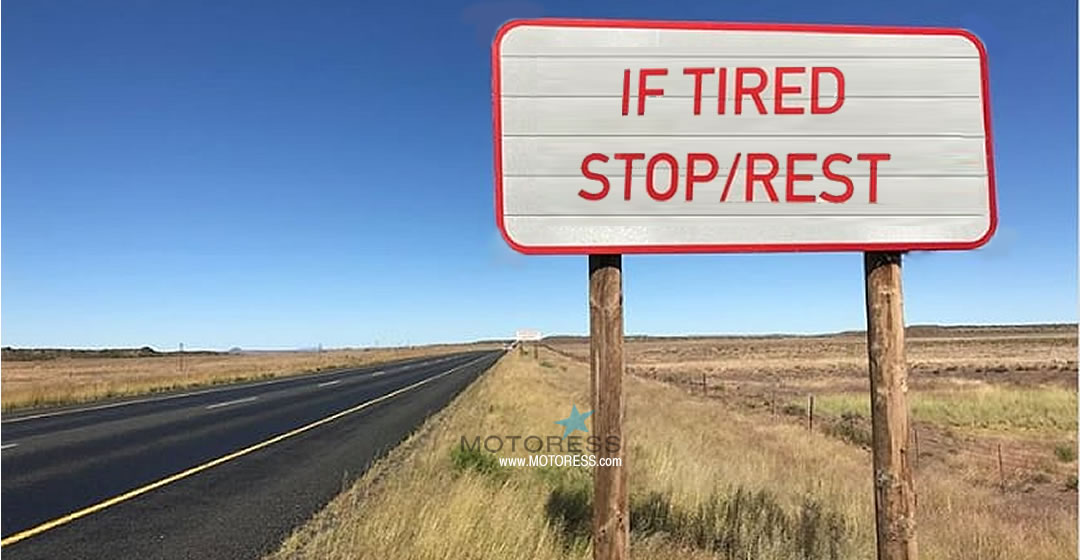
As motorcyclists, we know that riding is far more physically demanding than driving a car. While the fresh air and the steady rhythm of the road can be invigorating, they can also lull you into a dangerously relaxed, even drowsy state. You might think it’s impossible to fall asleep on a motorcycle — on short or long rides —but it’s happened more often than you’d expect. Fatigue is a major contributor to road accidents, and for riders, the stakes are much higher. Without the protection or margin for error that a automobile provide, staying alert is absolutely critical. If you’re riding with others or in a group, it’s important to talk openly about fatigue and plan accordingly. To stay safe and perform at your best, it’s essential to know how to overcome fatigue on motorcycle rides before it becomes a serious risk. Here are some key ways to prepare, prevent, and manage fatigue every time you ride!
How To Manage Fatigue On Motorcycle Rides
Research shows that fatigue contributes highly to automobile accidents; fatigue is certainly a greater danger for a rider, for obvious reasons. And if you’re riding with other people it’s definitely a topic which needs to be discussed and accommodated as you plan your trip. Riders will have various requirements for rest depending on personal stamina.
To prevent and overcome fatigue on motorcycle rides, follow a few of these basic guidelines.
Physical Preparation
Unless you ride your motorcycle every day or take rides of three hours on most weekends, you may not be completely adapted to your bike. After a full day or two of riding, you will become acutely aware of muscles you’re using full-time to ride. You may be able to overcome some of this discomfort by properly setting up your bike and fitting components, such as a good after-market seat or cushion, which will aid to your comfort. Outside of adjustments, you need to give your body the chance to adapt. Taking breaks every 60 minutes, especially during the first few days of a long ride, will help you during this adjustment phase.
Caffeine and Alcohol
Never ride under the influence of alcohol or drugs — full stop. And while caffeine might give you a short-term boost, whether from coffee or cola, it’s no substitute for proper rest. Relying on it can mask fatigue, which puts you at risk. Always choose rest over a quick fix.
Many factors can lead to drowsiness when riding – only to be awoken as your motorcycle encounters the shoulder of the road, a close call, or a fatal result. And many riders who’ve experienced falling asleep at the handlebars, and lived to tell the tale – weren’t aware they were tired!
Rest
Adequate sleep can be a bit hard to come by before and during a multi-day ride. Best practise is to ramp up your sleep hours the week before departure. Adding on a few extra hours of quality sleep will start you off stronger and more prepared for the ride. The first few nights on your journey may not provide quality nights’ sleep – different surroundings, sore muscles and if you’re camping, weather and conditions can interfere greatly. And avoid using alcohol as sleep aid; it actually reduces both the quantity and quality of sleep.
Experts say that you’ll have “tired times” during every 12-hour cycle, most often between 3:00 and 5:00 pm (15.00-17.00). You may want to plan to arrive by that point or stop for an early dinner.
Naturally if overtired, make the choice to take a day off just to rest, relax and catch up on your sleep.
Diet and Physical Fitness
Being fit through diet and exercise also applies to fighting fatigue. Proper management here will increase your energy level providing you with more strength and alertness. Of course, drinking adequate water is important too, especially considering that you’ll dehydrate more rapidly because of your exposure to the wind.
Proper Motorcycle Gear
Extended exposure to wind and sun dehydrate and fatigues you much more than your routine weekend jaunt. Riding without proper gear in a tank-top and open-face helmet may seem like the best way to deal with the heat, but will actually wear you out and heat you up quicker than when wearing a vented mesh jacket. A full face helmet or an open face with face-shield / visor protects your face from the wind. This gives perspiration the chance to stay on your skin cooling it – where wind-flow is reduced but not eliminated. You will sharply reduce sunburn and wind-burn’s fatiguing effects by covering yourself fully. A windscreen on your motorcycle will also reduce and change the wind flow against your body.
Silence
Wind noise (and motorcycle exhaust noise if you have loud pipes) along with the drone of your motorcycle’s engine will not only permanently damage your hearing but will quickly fatigue you. Noise is amplified further – the smaller the form of head protection you wear i.e. a small skull-cap helmet versus a full or open face helmet. The best solution for noise however will always be – earplugs. These should be part of your daily riding practice and an even greater asset for full day/long distance rides. You’ll fatigue less quickly, safeguard your long-term hearing, and appreciate these benefits when ready for sleep at night for that roaring drone in your ears won’t be as loud.
A windscreen can also deflect and cut wind noise.
Clear Vision
Vision clarity can be an issue on extended rides too. Significant distortion in your windscreen, visor, or even sunglasses can cause you to feel disoriented or tired or even induce headaches. If your windscreen creates this problem, or if you have a face shield /visor or sunglasses that are optically imperfect, find a replacement and eliminate the problem. If your vision has changed so that your prescription is no longer adequate, get an exam and a solution prior to your departure.
Preventing and overcoming fatigue on motorcycle rides provides benefits which go far beyond safety. Being alert and refreshed will ensure your motorcycle journey is more enjoyable. You’ll get more out of the surroundings, sights and experiences you ventured to explore!
Remember, no matter how much you’re prepared, the moment you feel fatigued – get off the road, take a break and regain your strength.
And if needed, pitch your tent or book a room and sleep it off.




1 comment
That’s a good read , and will not now shorten my windscreen ,and very good info Chris 5inley